Introduction to Broome, NY History
Broome, NY History reflects the development of one of New York State’s notable counties. From early Native American settlements to modern urbanization, the area has seen significant change. The county has cultural, economic, and historical importance in the region. Broome, NY History provides insights into the community, traditions, and growth over centuries.
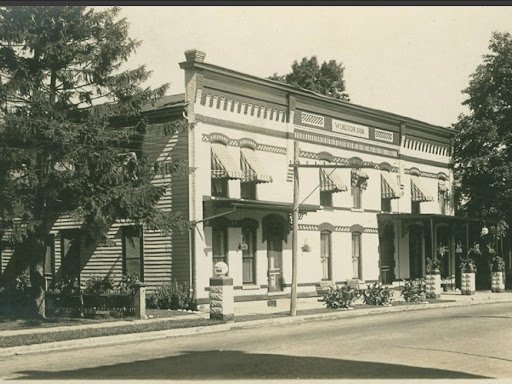
Learning about Broome, NY History helps residents and visitors understand the county’s identity. Its evolution includes agriculture, trade, and industrial growth. Broome, NY History also highlights local culture and notable events. The historical context adds depth to modern experiences in the area.
Early Settlements in Broome, NY History
The early history of Broome, NY History begins with the Native American tribes that inhabited the region. The Iroquois and other communities farmed, hunted, and lived along the Susquehanna River. European settlers arrived in the 18th century, introducing new crops and settlements. Broome, NY History documents these early interactions and their impact on the land.
Colonial settlements laid the foundation for towns and villages seen today. Broome, NY History also highlights the influence of early European architecture. Trade, farming, and local governance started to take shape. These settlements played a crucial role in shaping the county’s identity over time.
Cultural Evolution in Broome, NY History
Broome, NY History is shaped by waves of immigrants contributing to local culture. Irish, German, and Italian families influenced traditions, festivals, and cuisine. Churches, schools, and community centers became focal points for social life. Broome, NY History demonstrates how cultural diversity enriched the county over time.
Art, music, and literature reflect the heritage of these communities. Festivals and public events celebrate this diversity. Broome, NY History highlights the ways culture transformed local neighborhoods. The county remains a vibrant and culturally rich area due to this evolution.
Economic Development in Broome, NY History
Economic growth is an essential part of Broome, NY History. Agriculture, trade, and manufacturing formed the backbone of the local economy. Factories and railways attracted workers and contributed to urban growth. Broome, NY History illustrates how economic factors shaped settlements and lifestyles in the county.
Industrialization brought new opportunities and challenges. The economy evolved to include services, retail, and small businesses. Broome, NY History reflects the adaptation and resilience of local communities. Economic development also influenced population growth and urban planning.
Landmarks and Historic Sites in Broome, NY History
Broome, NY History is visible in the county’s landmarks and historic buildings. Sites such as the Roberson Museum and Science Center preserve cultural artifacts. Historic districts feature architecture from colonial, industrial, and modern periods. Broome, NY History provides insight into the county’s architectural and historical significance.
Parks, monuments, and public spaces commemorate events and local figures. Museums display documents, art, and tools from the past. Broome, NY History emphasizes the importance of preserving these landmarks. These sites allow residents and visitors to connect with the county’s past.
Social Changes in Broome, NY History
Broome, NY History records social changes over centuries, including population shifts and urbanization. Immigration influenced neighborhoods, schools, and religious institutions. Social reforms addressed education, housing, and workers’ rights. Broome, NY History reflects the evolving needs and priorities of its communities.
Community organizations played an important role in shaping public life. Public libraries, theaters, and parks became hubs for interaction. Broome, NY History highlights how social policies and community actions influenced local development. The county’s social progress is a significant part of its heritage.
Education and Arts in Broome, NY History
Education and the arts have contributed greatly to Broome, NY History. Schools, colleges, and cultural centers educated residents and encouraged creativity. Local theaters, art exhibitions, and music events enriched community life. Broome, NY History demonstrates the link between learning, arts, and cultural identity.
Programs and institutions preserved traditional crafts, music, and literature. Broome, NY History shows how education shaped generations. Residents participated in cultural activities that enhanced social cohesion. Arts and education remain a vital part of the county’s heritage.
Modern Developments in Broome, NY History
Recent developments continue to shape Broome, NY History. Urban renewal, housing projects, and infrastructure improvements reflect the county’s growth. Parks, commercial centers, and cultural programs are part of modern evolution. Broome, NY History connects past achievements with contemporary progress in the community.
Tourism and local events celebrate the county’s history and culture. Residents and visitors can explore both historic sites and modern attractions. Broome, NY History bridges the gap between tradition and innovation. The county balances preservation with ongoing development.
Conclusion on Broome, NY History
Broome, NY History provides a complete view of the county’s origins, culture, economy, and social progress. From Native American roots to modern urban life, the county has grown in diversity and resilience. Understanding Broome, NY History helps residents and visitors appreciate its significance.
The combination of cultural richness, historical landmarks, and community growth makes Broome, NY History engaging. The county’s past informs its present and guides its future development. Broome, NY History is essential for anyone seeking to understand the area’s identity and heritage.