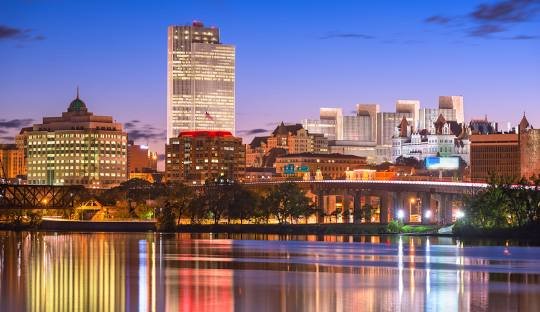
Albany, NY is one of the oldest cities in the United States, with a rich history that dates back over 400 years. Its strategic location along the Hudson River made it an important settlement for trade, politics, and culture from the early days of European colonization.
Early Dutch Settlement
Albany, NY was originally settled by Dutch colonists in 1614 and called Fort Orange. The Dutch established it as a fur trading post to capitalize on the abundant beaver population and the lucrative fur trade. Fort Orange became the center of early commerce and interaction with the local Mohican and Iroquois tribes.
British Takeover and Naming
In 1664, the British seized control of the region from the Dutch and renamed the settlement Albany in honor of the Duke of Albany. Under British rule, Albany, NY continued to grow as a commercial hub, connecting inland trade routes to the Atlantic coast. The city became known for its markets, shipbuilding, and river trade.
Albany During the American Revolution
Albany, NY played a key role during the American Revolution. Its strategic location along the Hudson River made it a focal point for military planning and troop movements. The city provided supplies, troops, and support to the Continental Army. Many historic buildings from this era, including the Schuyler Mansion, still stand as reminders of Albany’s revolutionary past.
Becoming New York State Capital
In 1797, Albany, NY was officially designated as the capital of New York State. The city’s central location along the Hudson River and its existing infrastructure made it ideal for government and administration. The New York State Capitol building, completed in the late 19th century, symbolizes Albany’s importance as the seat of state government.
19th Century Growth
Throughout the 19th century, Albany, NY expanded rapidly. The Erie Canal, completed in 1825, connected the Hudson River to the Great Lakes, boosting trade and commerce. Albany became a major transportation hub, attracting immigrants, businesses, and cultural institutions. The city also played a key role in the industrial development of New York State.
Modern Albany
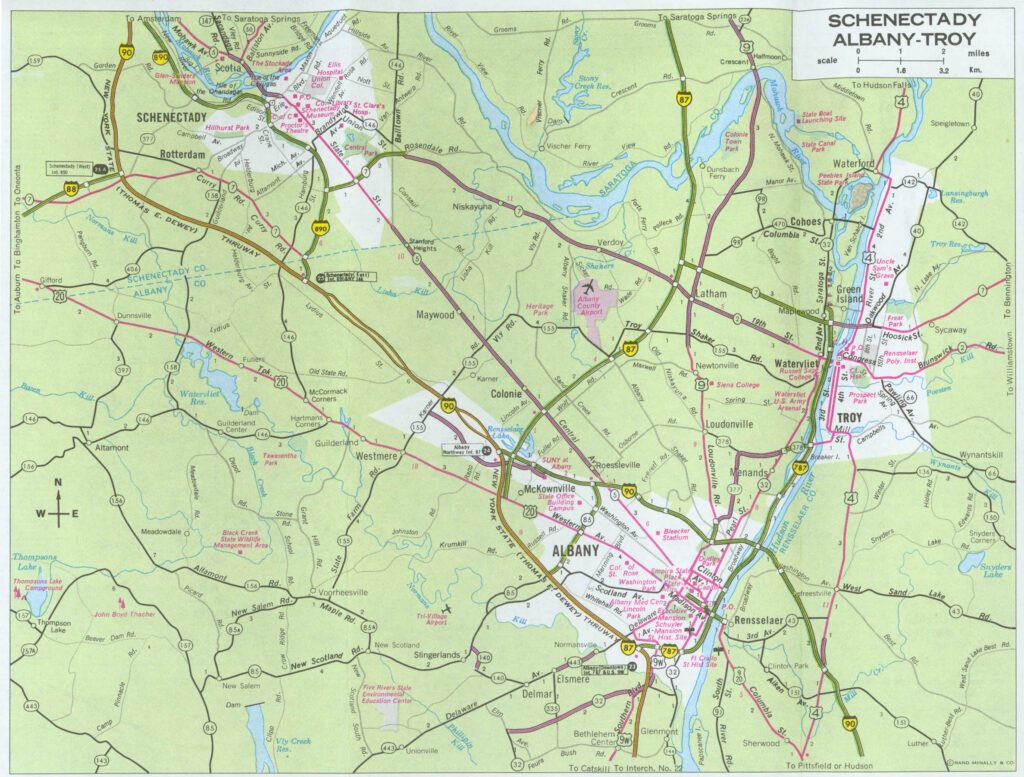
In the 20th and 21st centuries, Albany, NY evolved into a center of education, politics, and technology. The University at Albany and other institutions contributed to research and innovation. While maintaining its historical charm, Albany embraced modernization, preserving historic architecture alongside new developments.
Historic Landmarks
Albany, NY is home to numerous historic sites that reflect its long and rich history. Landmarks include:
- Schuyler Mansion – Home of Revolutionary War General Philip Schuyler
- New York State Capitol – Architectural landmark and seat of state government
- Albany Institute of History & Art – Museum preserving regional history
- Ten Broeck Mansion – Example of 18th-century Dutch architecture
For a full guide on Albany and other U.S. cities, visit BizCity